
Safe drinking water

Your water's journey from source to tap

We test and monitor your water as it travels from rivers, lakes or oceans through our water filtration plants, reservoirs and pipes, all the way to your tap.


Where your water comes from

Most of the drinking water for Sydney, the Blue Mountains and the Illawarra starts as rain, stored in lakes surrounded by native bushland in the Blue Mountains and the Southern Highlands. WaterNSW supplies us with raw water from protected lakes and rivers, with around 80% coming from Lake Burragorang at Warragamba Dam. WaterNSW closely monitors it so that the best water is selected for us to filter and treat.

We also source water from the ocean, which we turn into drinking water using the Sydney Desalination Plant. Desalinated water is especially valuable during droughts.

Lake Burragorang, Warragamba Dam


How your water is filtered

Our 9 water filtration plants are operated by skilled teams dedicated to providing safe and reliable drinking water to Sydney, the Blue Mountains and the Illawarra region year-round.

We filter 100% of your water to ensure it's safe to drink straight from the tap. While the design of each plant varies, these are the basic processes:

  • Water flows through fine screens to remove debris like twigs and leaves.
  • A solution (coagulant) is added to make smaller particles stick together, forming a 'floc', so they can be filtered out more easily.
  • Water is filtered through tightly packed beds of sand and anthracite. This removes any remaining particles, including Cryptosporidium and Giardia.

When you see 'Filtration Successful' in our daily drinking water quality report, you know that the filtration process has met our strict quality control criteria.

The bonus of stronger teeth
NSW Health recommends adding small amounts of fluoride to drinking water to help prevent tooth decay. We also add chlorine to inactivate microorganisms and protect public health. Our daily drinking water quality report includes how your water's fluoride levels compare with our limit of 1.5 milligrams per litre.


How clean water gets to you

From our filtration plants, we send the water to secure covered reservoirs in your area. Our pipes connect the reservoirs to the taps in your home. We monitor them for leaks and breaks to make sure water is not wasted.

To ensure your water's safety all the way to your home or business, we add small amounts of chlorine to our reservoirs. Our daily drinking water quality report confirms how chlorine levels at your tap compare with our limit of 5 milligrams per litre. We balance your water's pH levels to boost its effectiveness.

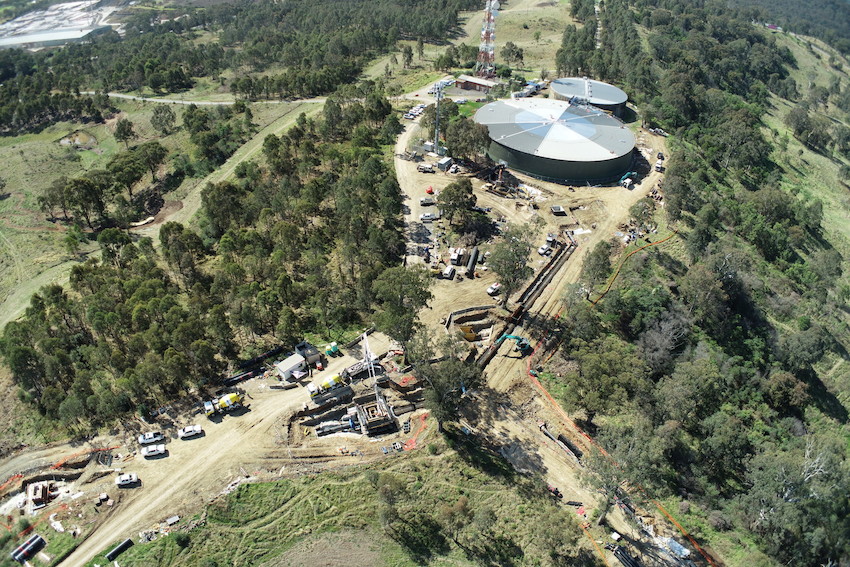
Cecil Park Reservoir


How we monitor quality

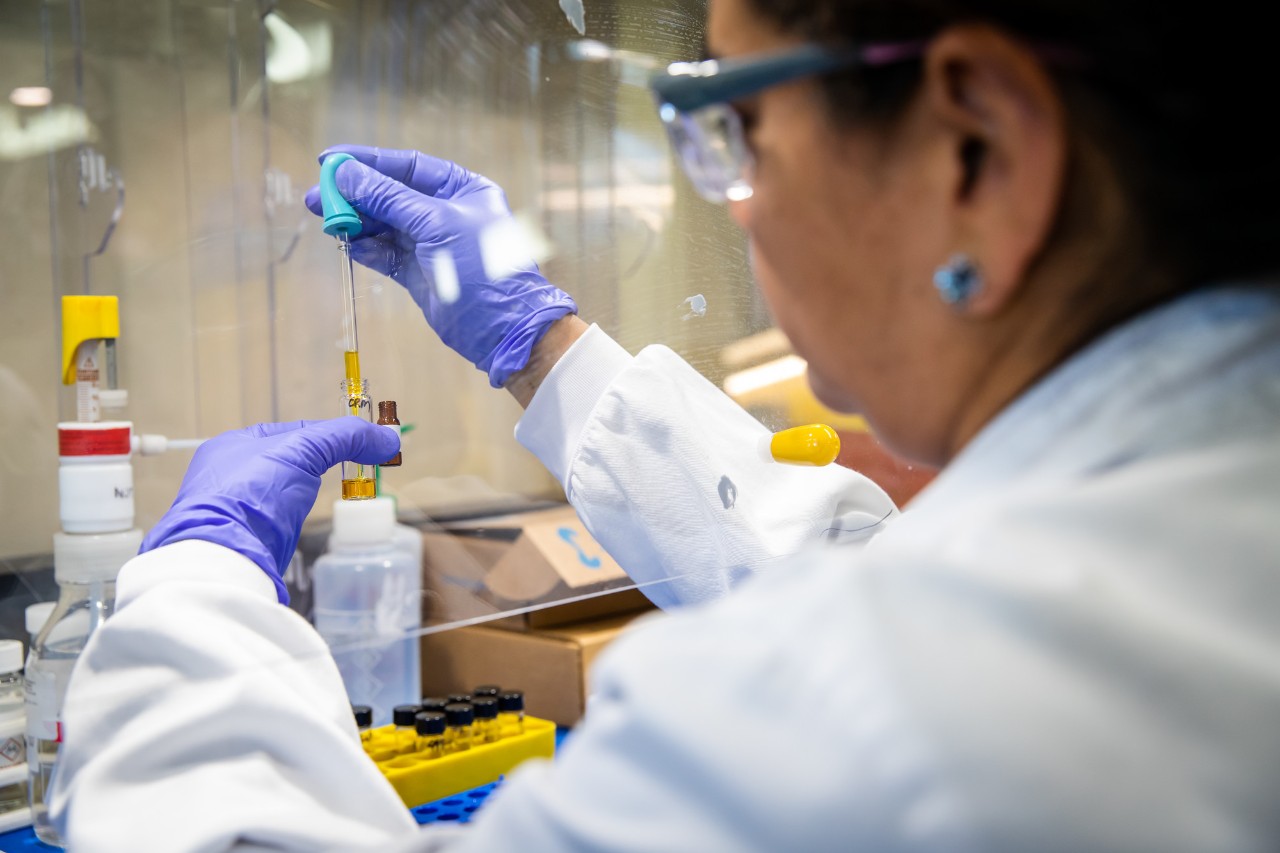
Sydney Water Monitoring Services is Australia's largest and oldest dedicated water, trade wastewater and environmental sampling and testing facility. We collect and test samples from our entire network, doing up to 70 different tests to make sure your drinking water meets the Australian Drinking Water Guidelines. Our state-of-the-art laboratory and field sampling teams are accredited by Australia's National Association of Testing Authorities.

Regional councils and other authorities around NSW rely on our services. Our lab can provide field sampling, laboratory analysis, hydrometric services, sample design, data analysis and reporting for drinking water, as well as our raw water catchments, beaches and groundwater.


How we set our standards

We have a rigorous drinking water management system in place to supply you with high quality, safe drinking water. We ensure our drinking water meets the strict standards set out in the Australian Drinking Water Guidelines and satisfies our 2 key regulators:

To find out more about our commitment to manage the quality of your drinking water and ensure our catchment-to-customer risk management approach is in use and working, see our Drinking water management policy.


Our regulatory relationships

Australian Drinking Water Guidelines

The Australian Drinking Water Guidelines:

  • provide guidance on how to manage water supplies to produce safe drinking water
  • outline acceptable limits for drinking water quality.

Our Drinking Water Management System applies the Australian Drinking Water Guidelines framework to manage drinking water quality.
 

NSW Health

A Memorandum of Understanding describes our relationship with NSW Health. NSW Health:

  • advises how we apply the Australian Drinking Water Guidelines to manage drinking water
  • reviews our Drinking Water Environment Plan
  • provides information about drinking water and public health.

Independent Pricing and Regulatory Tribunal

IPART ensures we provide safe drinking water that is reasonably priced and audits our Operating Licence each year. The licence:

  • outlines how we must manage our drinking water
  • includes our responsibilities to you.

Our incident and inquiry process

If our testing or other information identifies a problem with drinking water quality, we activate our Drinking Water Event Management Plan. The plan sets out how we respond and manage any water quality incidents. This includes consulting with NSW Health. We will always notify you if there's a health issue relating to your drinking water.


What to do if your water looks, smells or tastes unusual

Most of the time, it's easy to explain and there's nothing you need to worry about. If you think something else is going on, contact us.

You might notice the colour of your tap water changes from time to time. It's normally still safe to drink. Try running the cold tap to see if it goes clear again. There are a few reasons water may change colour.

  • The pipes on your property may be old or need to be repaired. Call a plumber to check their condition.
  • If discoloured water only comes from your hot water taps, maybe your hot water service needs to be repaired or replaced. It's another job for a plumber.
  • We could be working on the water pipes in your area. Find out at water supply and service updates.
If you're sensitive to taste and smell, you might notice metallic or chlorine tastes and odours. These may be due to tiny amounts of chlorine we need to add to drinking water to kill germs and keep it safe. It's totally harmless. The smell and taste of chlorine should disappear if you let your water stand in a jug for about an hour or keep it in the fridge.

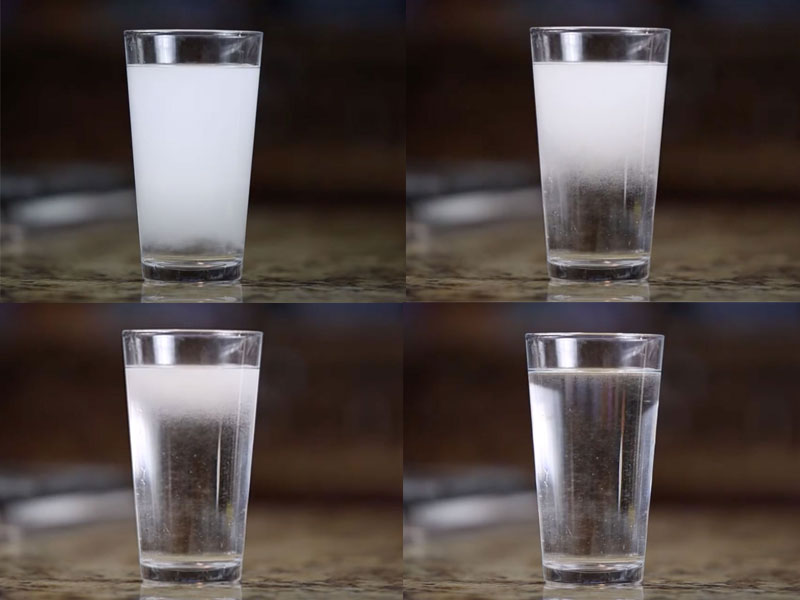
Sometimes tap water appears cloudy, especially when the weather is warmer. The cloudiness is caused by tiny air bubbles that form when water of different temperatures enters our system. When you fill a glass, you may notice the water clears from the bottom up. It should be completely clear in 30 seconds or less.

Black specks in tap water are normally caused when the rubber from tap washers or O-rings wears out or perishes, often in taps that aren't used very much. It could be a job for a plumber. If you're feeling handy, find out how to change a tap washer yourself.