


Think our dams look healthy? El Niño might have something to say about that.
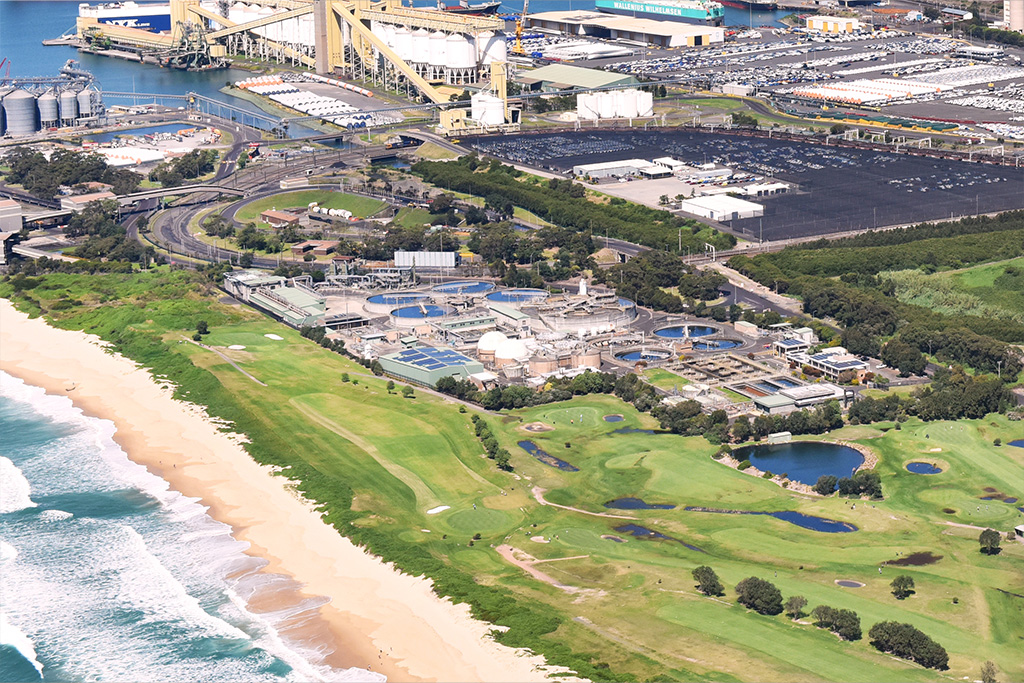
Wollongong Water Resource Recovery Facility treats 60 million litres of wastewater every day.
Article quick links
El Niño is coming for us this summer
Think our dams look healthy? El Niño might have something to say about that.
We all saw the disastrous effects of record hot, dry weather across the Northern Hemisphere summer. The catastrophic fires. The parched fields. The drained rivers. Now it's our turn.
Expected higher temperatures, less rain
From November to January, we're taking saving water extra seriously. We’re rolling out a new water conservation campaign to help ease pressure on our dams as the weather gets even hotter than usual.
Why saving water matters
Saving water during El Niño isn't just critical for the environment. Saving water helps you save money, too.


Save water. Save money.
There are lots of ways you can SAVE BIG on water at home. Small changes indoors and outdoors can make a big difference.
Simple, everyday habits reduce your water use, lower bills and help secure our water future. From trigger nozzles to half flushes, check out how easy it is to save water and money!
Wastewater's incredible circular journey
Sad but true: once you've emptied the sink or flushed the toilet, you probably never think about it again.
But take it from our Wollongong Water Resource Recovery Facility – its journey is far from over.
Every day, this facility treats around 60 million litres of wastewater (more than 24 Olympic-sized pools!). Instead of releasing it all back into the environment, it recycles up to 20 million litres and puts it to work across the Illawarra.
The circular economy in action
Communities from Wombarra to Windang and west to Dapto are seeing first-hand what the circular economy can mean to them.
BlueScope Steel uses recycled water for making iron and steel, cooling equipment and firefighting, while Port Kembla Coal Terminal uses hundreds of millions of litres each year to cut regular water use by 70%.
The benefits don't stop there. Wollongong City Council is keeping local sports fields green, and Wollongong Golf Club is irrigating the course. Plus, our facility uses recycled water for cleaning, chemical dilution and filter backwashes.
Recycled water matters more than ever
High-quality recovered wastewater is a valuable resource. We need more ways to produce and use it, and help conserve our precious drinking water – especially with hotter, dryer summers predicted.
Next time you pull the plug or flush the toilet, remember to wave, and wish your wastewater success on its journey.
All our facilities do their bit
Find out more about how we transform wastewater into recycled water.
Forget the beach odyssey: find a riverside swim spot close to home
The long hot summer is real, but there are now 7 cool swim sites along the Parramatta River where you can take a dip. Years of effort by the Parramatta River Catchment Group (PRCG) and member organisations – including us – have made the river swimmable again.
Councils now host all these free, warm-weather temptations on the river.
Find out more
Check out the swim sites below, and learn more about water quality and all the swim spots at Urban Plunge®.
Quarterly water quality report summary
Our water quality monitoring program confirmed that Greater Sydney's drinking water remains high quality and safe from July to September 2026, meeting the high standards set by the Australian Drinking Water Guidelines.
Find the detailed quarterly water quality report for your area at What's in your water.
-

Filtered
We filter your water by removing debris, adjusting pH, binding fine particles into flocs, and passing it through sand and coal filters.
-

Treated
We use various methods to improve water quality, including disinfection, pH adjustment, and the use of chemicals to remove or inactivate contaminants.
-

Tested
We keep a close eye on every drop, testing it at every step to ensure it meets the strict Australian Drinking Water Guidelines so it is clean and safe to drink.
We're here to help
Be sure to contact us if you have trouble keeping up with your water bill. We can take the pressure off with payment plans, free essential plumbing and hardship support.
Violence at home is not okay
Please talk to us if you're facing domestic violence. We can provide private, confidential assistance.
Explore the options, or call 1800 222 280 8am–5:30pm Monday to Friday (except public holidays).

How much do you know about saving water?
Take Jila's quiz and see how many questions you can get right about saving water!

- Question 1
- Question 2
- Question 3
- Question 4
How much water does a shower use every minute?
How much water can a leaking toilet waste every day?
On average, how much water does a person use each day?
Should you use the half flush or the full flush?