About this project
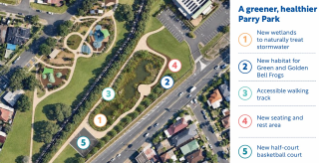
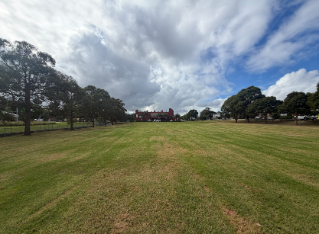
A major environmental improvement project is coming to Parry Park, Punchbowl Road, Lakemba. The project will deliver new wetlands, enhanced landscaping and additional community spaces while helping to protect the health of the Cooks River.
The Parry Park Waterway Health Improvement Project is being delivered by Sydney Water in partnership with Canterbury-Bankstown Council and the Cooks River Alliance, with funding from the Australian Government's Urban Rivers and Catchments Program. Together, we’re working to improve the quality of stormwater entering local waterways while enhancing the park for residents, visitors and local wildlife.
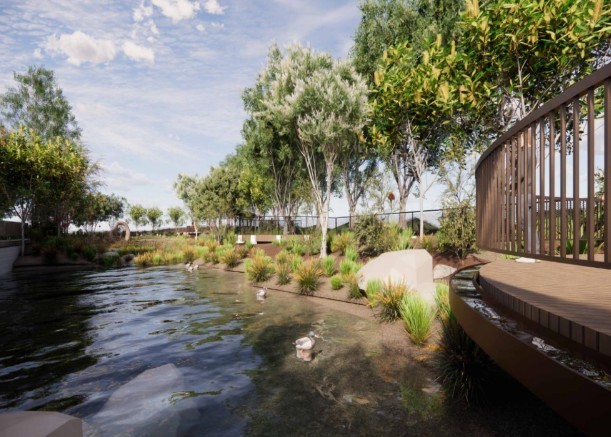
Stormwater from Parry Park flows into Coxs Creek, which connects to the Cooks River and eventually Botany Bay. Urban stormwater can carry litter, sediment, nutrients and other pollutants into waterways. This can affect water quality and ecosystem health. The new wetland system will capture and naturally treat stormwater before it enters Coxs Creek, reducing pollution and supporting healthier waterways.
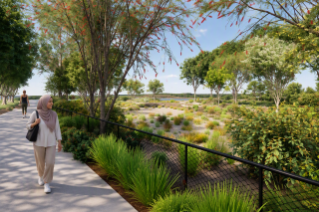
The project will create new wetland areas, increase tree canopy and expand native vegetation throughout the park. These improvements will provide shade, help cool the local environment and create valuable habitat for wildlife, while enhancing the park's natural character and amenity.
A key feature of the project is creating habitat for the endangered Green and Golden Bell Frog. Once widespread across south-eastern Australia, the species has experienced significant population declines due to habitat loss and environmental pressures. The new wetland environment at Parry Park will support conservation efforts by providing breeding and refuge habitat for this protected species.
The project will also improve pathways and park amenities, making the space more accessible and enjoyable for local residents and visitors. Together, these upgrades will create a more attractive and sustainable park where people can spend time outdoors, connect with nature and enjoy improved recreational opportunities.
Construction is expected to begin in late 2027 and will take about 2 years to complete. We'll make every effort to minimise impacts to park users during construction and keep the community informed as the project progresses.
The project supports the community's long-term vision for Parry Park and builds on the Parry Park Masterplan developed by Canterbury-Bankstown Council through extensive community consultation and engagement.
Sydney Water and Canterbury-Bankstown Council are members of the Cooks River Alliance, a partnership of local organisations who are working with communities to transform the Cooks River into the best urban river in the world.
To have your say visit Canterbury-Bankstown Council's webpage.
Benefits
The project will:
- create new wetlands area to support healthier waterways and ecosystems
- create valuable habitat for wildlife, including the endangered Green and Golden Bell Frog
- create a more accessible, attractive and sustainable park for the communit
- improve pathways and park amenitie
- enhance the park's natural character and amenity
- increase tree canopy and expand native vegetation
- provide shade and help cool the local environment
- capture and naturally treat stormwater before it enters Coxs Creek
- reduce pollution entering local waterways
Impacts
Construction is not expected to start until late 2027. As planning progresses, we'll continue to assess potential impacts and keep the community informed before work starts. Detailed construction methods are still being developed.
Based on the current concept design, construction may result in:
- temporary closure of some areas of the reserve to maintain community safety
- temporary impacts to a small number of parking spaces, if required for construction access
- temporary changes to pedestrian access around parts of the reserve
- temporary impacts to some informal recreation areas
- construction fencing, machinery, materials and work compounds within the reserve
- construction noise from machinery, equipment and vehicle movements during approved work hours
- increased construction vehicle movements to deliver materials and remove excavated soil
- dust from earthworks and excavation activities
- minor traffic impacts from construction vehicle movements.